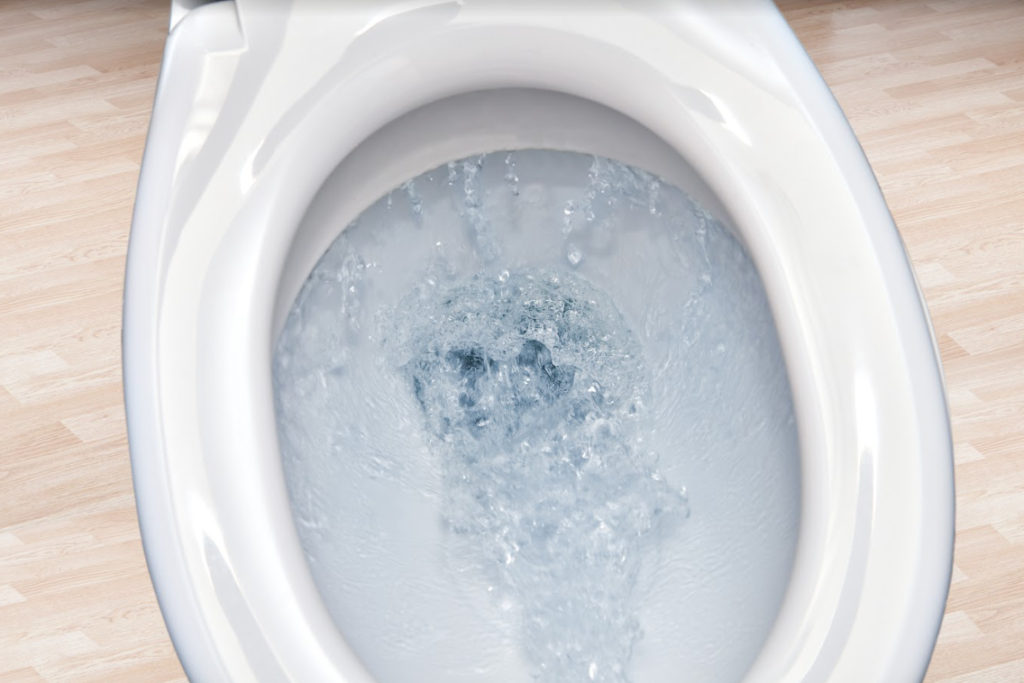
A running toilet may seem like a small issue, but it can waste a large amount of water and drive up your utility bills. You might hear water moving in the tank or notice that the toilet cycles on and off more consistently. These issues can mean a problem inside the tank, and while some fixes are easy to manage, others require professional attention.
The flapper is one of the most common causes of a running toilet. This rubber piece sits at the bottom of the tank and seals the opening that leads to the bowl. Over time, the flapper can wear out, crack, or become warped. When this happens, it cannot create a proper seal. Water slowly leaks into the bowl, and the fill valve continues to refill the tank to compensate. You can check the flapper by removing the tank lid and observing whether it sits flat against the opening. If it looks worn or does not seal tightly, replacing it is often a simple and inexpensive fix.
The fill valve controls how much water enters the tank after each flush. If it does not shut off properly, water will continue to flow even after the tank reaches the correct level. A faulty fill valve may cause constant running or intermittent cycling. This issue tends to result in higher water usage over time. In some cases, adjusting the float can solve the problem. However, if the valve has damage, replacement may be necessary to restore proper function.
The chain connects the flush handle to the flapper. If the chain is too tight, it can prevent the flapper from closing completely. If it is too loose, it may not lift the flapper properly during a flush.
A chain that gets caught or tangled will interfere with the flapper’s movement. This can leave the valve partially open, which allows the water to continue flowing. Take the time to adjust the chain length or reposition it to help resolve this issue.
The water level in the tank must stay within a specific range for the system to function correctly. If the level is too high, water may flow into the overflow tube, which keeps the toilet running. You can check the water level by looking for the fill line marked inside the tank. If the water sits above this line, adjusting the float can help bring it back to the correct level. A properly set water level helps to make sure that the fill valve shuts off at the right time and prevents unnecessary water flow.
Hard water can leave behind mineral deposits that affect how components operate. Over time, buildup will interfere with the movement of the fill valve or prevent the flapper from sealing properly. These deposits can also cause parts to wear out faster. Cleaning components may provide temporary relief, but heavily worn parts tend to need replacement to restore proper function.
Some running toilet issues require professional attention. If you replace the flapper and adjust the chain, but the problem continues, you may have a deeper issue in your system. When your toilet is running persistently, it might be a sign of hidden leaks or worn internal components. There may also be an issue with the flush valve assembly. If your toilet continues to run despite your efforts, call one of our plumbers.
Regular maintenance can help prevent running toilet issues. Checking components periodically allows you to catch wear before it leads to continuous water flow. Replacing small parts, like flappers and chains, as they age will help to extend the life of your toilet. Monitoring water levels and listening for unusual sounds will also help you catch problems early. Taking a proactive approach reduces unexpected bathroom repairs and keeps your system running efficiently.
A running toilet wastes water and is a sign of underlying issues that are costly. While some problems have simple fixes, others require professional expertise to fully resolve. O’Bryan Plumbing Services provides reliable plumbing repairs that address the issue and restore proper function. We have been serving the Allen area with top plumbing services since 1982.
If your toilet keeps running and you want a lasting solution, contact our team to schedule service.
With a 100% customer satisfaction guarantee, our customer-focused values have not changed.Learn more »
104 N. Cedar Drive
Allen, Texas 75002
O’Bryan Plumbing Services
800 Fulgham Road, Suite 35
Plano, Texas 75093
Phone: 972-727-6364
Fax: 972-535-4009
TX License M12755